

Crystalline Building Integrated Photovoltaic (BIPV) glass combines the benefits of traditional architectural glass with the ability to harness solar energy, making it a valuable component in the development of sustainable and energy-efficient buildings.
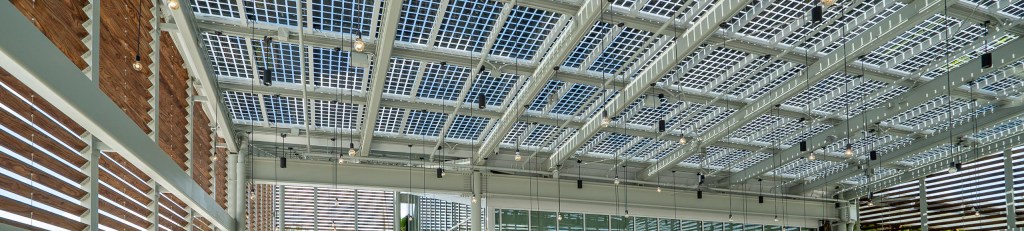
This photovoltaic (PV) glass technology is ideal for buildings and facilities with favorable solar orientation aiming for optimal energy production. Crystalline silicon PV glass stands out as the most appropriate material for applications like canopies, skylights, spandrel glass, curtain walls, solid walls and ballustrades.
In addition to generating electricity, crystalline BIPV glass can contribute to the overall performance of a building. For instance, they can provide shade, reducing cooling loads and improving thermal comfort inside the building. Crystalline glass has a long lifespan, providing a reliable source of renewable energy over many years.
Overall, crystalline BIPV systems offer a sustainable and innovative approach to building design, providing a range of benefits for both the environment and building owners.
Benefits of using Building Integrated Photovoltaic (BIPV) Crystalline Glass Products
- Energy Generation: Crystalline BIPV systems harness sunlight to generate electricity, contributing to on-site power generation. This can offset a building’s reliance on grid electricity, reducing overall energy costs.
- Aesthetic Integration: Crystalline BIPV systems can be seamlessly integrated into building elements like windows, facades, and roofing. This allows for a more aesthetically pleasing and visually appealing design compared to traditional solar panels.
- Space Utilization: BIPV systems utilize existing building surfaces, effectively turning them into energy-generating assets. This is particularly valuable in urban environments where space is limited, and traditional solar installations might not be feasible.
- Dual Functionality: By serving as both a building material and an energy generator, crystalline BIPV systems provide a dual functionality. This can enhance the overall efficiency of a building by combining structural and energy-generating elements.
- Reduced Environmental Impact: Utilizing solar energy for electricity generation reduces the reliance on fossil fuels, thereby lowering greenhouse gas emissions and mitigating environmental impact. Crystalline BIPV contributes to a more sustainable and eco-friendly built environment.
- Long Lifespan: Crystalline silicon solar cells are known for their durability and longevity. BIPV systems, when properly installed and maintained, can have a long lifespan, providing a reliable source of renewable energy over many years.
- Improved Building Performance: In addition to generating electricity, crystalline BIPV systems can contribute to the overall performance of a building. For instance, they can provide shade, reducing cooling loads and improving thermal comfort inside the building.
- Financial Incentives: Many regions offer financial incentives, tax credits, or rebates for the installation of solar technologies, including BIPV systems. These incentives can help offset the initial costs of implementation and make the technology more economically viable.
- Technological Advancements: Ongoing advancements in crystalline silicon technology continue to improve the efficiency and cost-effectiveness of BIPV systems, making them more attractive for widespread adoption.
- Brand Image and Certification: Incorporating BIPV systems into a building design can enhance its green building certifications, such as LEED (Leadership in Energy and Environmental Design), showcasing a commitment to sustainability and environmental responsibility.

Overall, crystalline BIPV systems offer a sustainable and innovative approach to building design, providing a range of benefits for both the environment and building owners.
 Clear Energy